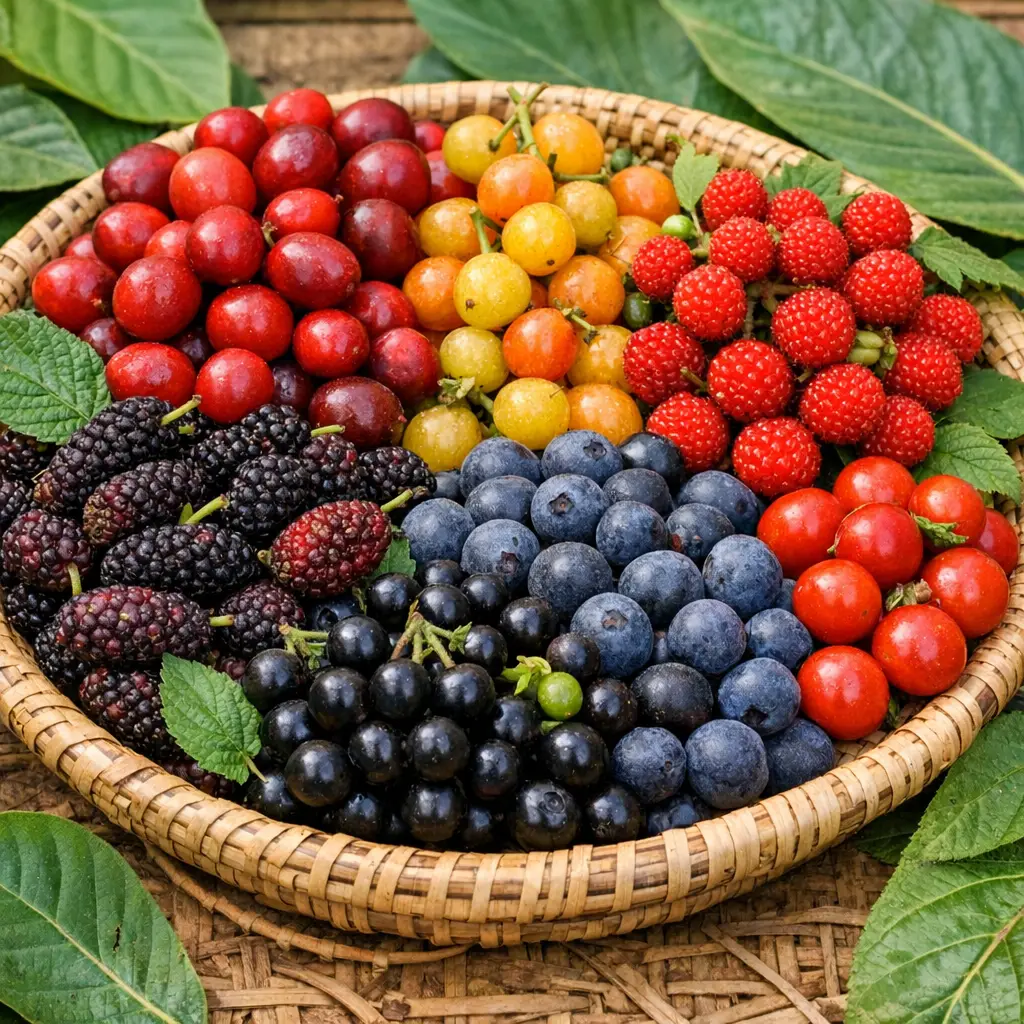
Uganda’s tropical climate and fertile soils create ideal conditions for a remarkable variety of fruits, including several delicious berries and berry-like fruits that visitors and locals alike can enjoy. While Uganda may not be known for traditional temperate berries like strawberries and blueberries, the country offers an exciting array of tropical and indigenous berries that are nutritious, flavorful, and deeply woven into local food culture. Here’s a guide to the best berries you can find and enjoy during your visit to Uganda.
Strawberries
Surprisingly to many visitors, Uganda actually grows excellent strawberries, particularly in the highland regions where cooler temperatures prevail. The southwestern districts around Kabale, Kisoro, and parts of the Mount Elgon region have become known for strawberry cultivation. These berries thrive in Uganda’s volcanic soils and moderate highland climate, producing sweet, juicy fruits that rival those grown anywhere in the world.
Ugandan strawberries are typically available fresh at local markets, roadside stands, and increasingly in supermarkets in major cities like Kampala. The strawberry season generally runs from March to November, with peak production during the rainy seasons. Tourists traveling through southwestern Uganda, especially those visiting the gorilla trekking regions, will often encounter fresh strawberries being sold by local farmers. They’re perfect for a refreshing snack after a challenging trek through the mountains.
Beyond eating them fresh, Ugandan strawberries are used to make jams, juices, and even wine. Several agro-tourism farms in the Kabale area offer strawberry-picking experiences, allowing visitors to harvest their own berries while enjoying the stunning terraced hillsides that characterize this region.
Tree Tomatoes (Tamarillo)
Tree tomatoes, also known as tamarillos, are egg-shaped berries that grow on small trees and are incredibly popular throughout Uganda, especially in highland areas. These berries have smooth, glossy skin that ranges from red to orange or yellow, with tangy, slightly sweet flesh inside that contains numerous small edible seeds.
Ugandans enjoy tree tomatoes in various ways. They can be eaten fresh by cutting them in half and scooping out the flesh with a spoon, though many people find them quite tart when raw. More commonly, they’re boiled or steamed to reduce the tartness, then enjoyed as a nutritious snack or dessert. Tree tomatoes are also juiced, often mixed with passion fruit or other tropical fruits to create refreshing beverages.
Rich in vitamins A, C, and E, as well as antioxidants, tree tomatoes are considered highly nutritious. They’re readily available in most markets across Uganda, particularly in regions like Kabale, Mbale, and the areas around Mount Elgon. For tourists, trying tree tomatoes offers a taste of a fruit that’s relatively uncommon outside of tropical highland regions.
Wild African Berries (Entale)
Uganda is home to several indigenous wild berries that have been part of local diets for generations. One notable example is entale, small purple-black berries that grow wild in various parts of the country. These berries are typically foraged rather than cultivated and are enjoyed by children and adults alike as a wild snack.
Entale berries are sweet when ripe and are often eaten fresh off the bush. While they may not be commonly found in markets, tourists traveling through rural areas, particularly during hiking or nature walks, might encounter locals harvesting these berries. The experience of tasting wild indigenous berries offers a direct connection to Uganda’s natural bounty and traditional food culture.
Other wild berries include various species from the Rubus genus (similar to blackberries and raspberries) that grow in highland forests and along forest edges. These are typically smaller than their cultivated cousins but can be deliciously sweet and are rich in antioxidants.
Passion Fruit
While technically a berry from a botanical perspective, passion fruit deserves mention as one of Uganda’s most beloved and widely consumed fruits. These round or oval fruits have a tough outer rind that ranges from purple to yellow, containing aromatic, jelly-like pulp filled with edible black seeds.
Uganda is one of the world’s leading producers of passion fruit, and the fruit is ubiquitous throughout the country. Fresh passion fruit juice is sold everywhere—from street vendors to high-end restaurants—and is prized for its intense tropical flavor and refreshing qualities. The juice is often mixed with other fruits or enjoyed on its own, sometimes sweetened with sugar or honey.
Passion fruit is incredibly versatile. Beyond juice, it’s used in cocktails, desserts, ice cream, yogurt, and even savory sauces. The fruit is rich in vitamin C, fiber, and beneficial plant compounds. For tourists, starting the day with fresh passion fruit juice is a quintessential Ugandan experience that perfectly captures the country’s tropical essence.
Tomatoes (Cherry and Regular Varieties)
While we typically think of tomatoes as vegetables, botanically they are berries. Uganda grows exceptional tomatoes, including sweet cherry tomato varieties that are perfect for snacking. The country’s volcanic soils, particularly in southwestern regions, produce tomatoes with intense flavor that are far superior to the bland, commercially grown varieties found in many Western supermarkets.
Cherry tomatoes are increasingly popular in Uganda and are often sold in markets alongside other fresh produce. They’re eaten fresh in salads, used in cooking, or enjoyed as healthy snacks. The sweetness and acidity of Ugandan tomatoes make them a delightful addition to any meal, and tourists will notice their superior flavor in virtually every dish.
Mulberries
In certain parts of Uganda, particularly in introduced fruit gardens and some highland areas, mulberry trees can be found. These trees produce small, elongated berries that change from white or green to red and finally to dark purple or black as they ripen. Mulberries have a sweet, mildly tart flavor and can be eaten fresh or used in jams and juices.
While not as widespread as some other berries, mulberries are occasionally available in local markets or from farms that cultivate diverse fruit varieties. They’re particularly rich in vitamin C, iron, and antioxidants, making them a nutritious choice.
Health Benefits and Where to Find Them
Uganda’s berries and berry-like fruits are not just delicious—they’re also incredibly nutritious. Most are rich in vitamins, minerals, antioxidants, and fiber, contributing to overall health and wellness. For tourists, incorporating these local berries into your diet during your visit offers both culinary adventure and nutritional benefits.
The best places to find fresh berries in Uganda include local markets (particularly in highland towns like Kabale, Kisoro, and Mbale), roadside fruit stands, farm shops, and increasingly in supermarkets in Kampala and other major cities. Many lodges and safari camps also serve fresh local berries as part of their breakfast offerings or in fresh juices.
Conclusion
Uganda’s berry offerings may differ from what you’d find in temperate climates, but they’re no less delicious or interesting. From the familiar strawberries grown in volcanic highlands to exotic tree tomatoes and indigenous wild berries, Uganda provides fruit lovers with plenty of opportunities to explore new flavors. During your safari or cultural tour, make sure to sample these local berries—they’re a sweet taste of Uganda’s agricultural diversity and a delicious way to connect with the country’s natural abundance.