Rwanda, affectionately known as the “Land of a Thousand Hills,” has emerged as one of Africa’s premier safari destinations, offering visitors an extraordinary blend of wildlife encounters, stunning landscapes, and remarkable cultural experiences. This small but mighty East African nation has transformed itself into a model of conservation, sustainability, and hospitality, making it an increasingly popular choice for discerning travelers seeking an unforgettable safari adventure.
The Gorilla Trekking Experience
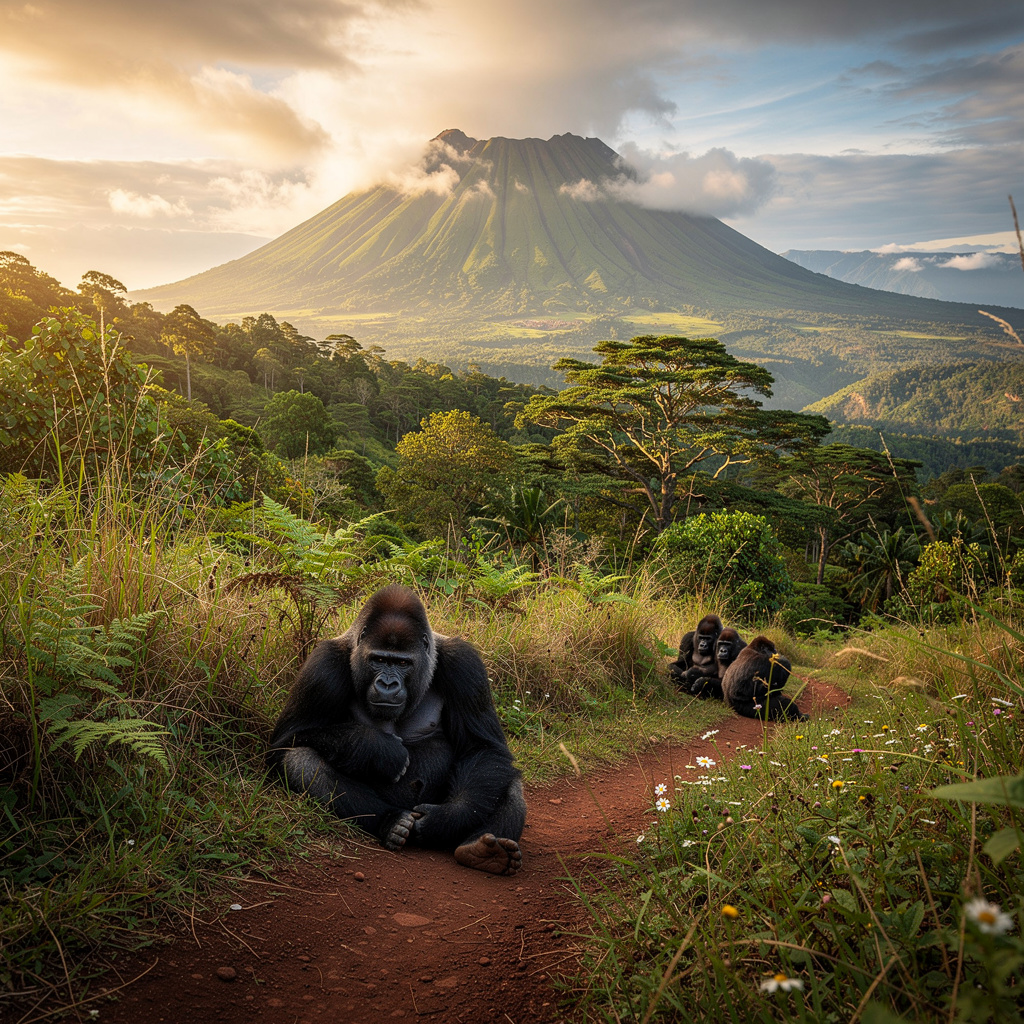
Rwanda’s crown jewel and most sought-after safari experience is undoubtedly gorilla trekking in Volcanoes National Park. Home to approximately one-third of the world’s remaining mountain gorillas, this misty highland forest offers visitors the once-in-a-lifetime opportunity to observe these magnificent primates in their natural habitat. The experience of sitting just meters away from a silverback gorilla and his family, watching them play, feed, and interact, is profoundly moving and consistently ranks among the world’s greatest wildlife encounters.
The trek itself can range from relatively easy to quite challenging, depending on where the gorilla families are located on any given day. Expert trackers and guides accompany small groups through the bamboo forests and volcanic slopes, sharing knowledge about gorilla behavior, conservation efforts, and the park’s ecosystem. While gorilla permits are premium-priced, the revenue directly supports conservation programs and local communities, making this a truly sustainable tourism model.
Akagera National Park: The Big Five Safari
For those seeking a more traditional African safari experience, Akagera National Park in eastern Rwanda delivers spectacular game viewing alongside stunning scenery. This 1,122-square-kilometer park encompasses savanna, woodland, wetland, and a chain of lakes along the Kagera River, creating diverse habitats that support an impressive array of wildlife.
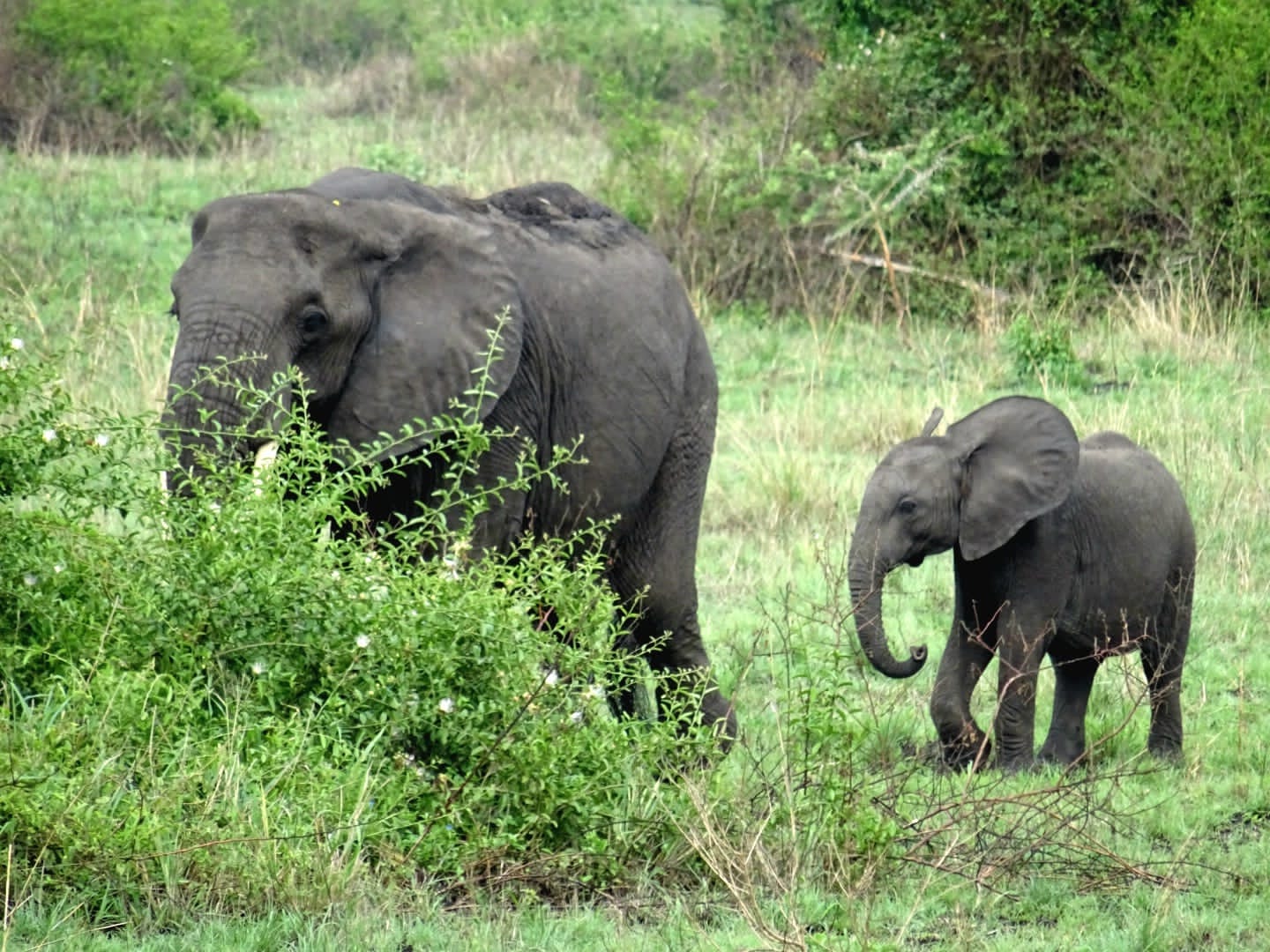
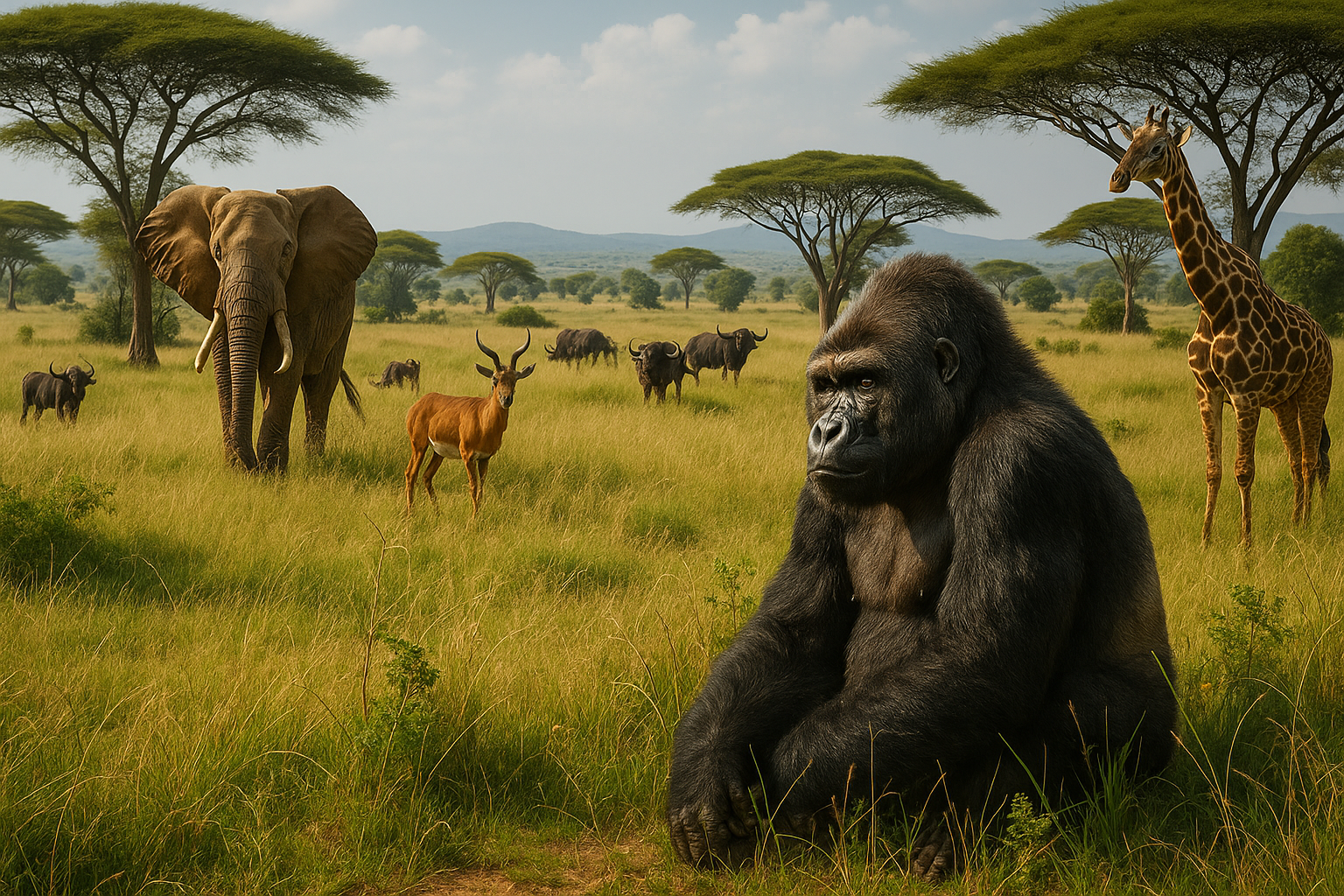
Akagera has undergone a remarkable transformation in recent years. Once devastated by poaching and human encroachment, the park has been revitalized through dedicated conservation efforts. Lions were successfully reintroduced in 2015, followed by eastern black rhinos in 2017, making Akagera Rwanda’s only Big Five destination. Today, visitors can spot elephants, buffaloes, leopards, lions, rhinos, giraffes, zebras, hippos, crocodiles, and numerous antelope species.
Game drives in Akagera offer both morning and afternoon options, with experienced guides navigating the park’s well-maintained road network. Boat safaris on Lake Ihema provide a different perspective, allowing close encounters with hippos, crocodiles, and an abundance of water birds. For the ultimate experience, Akagera offers night drives where nocturnal animals like leopards, hyenas, and bush babies can be observed.
Nyungwe Forest National Park: Primate Paradise
Nyungwe Forest National Park in southwestern Rwanda protects one of Africa’s oldest and most biodiverse montane rainforests. This pristine wilderness is a primate lover’s paradise, home to 13 primate species including chimpanzees, L’Hoest’s monkeys, silver monkeys, and one of East Africa’s last remaining populations of Angolan colobus monkeys.
Chimpanzee trekking in Nyungwe offers an exciting alternative to gorilla trekking, with opportunities to observe these intelligent and charismatic apes swinging through the canopy and foraging on the forest floor. The park also features the famous Canopy Walkway, a 160-meter-long suspension bridge suspended 50 meters above the forest floor, providing breathtaking views and unique birdwatching opportunities. With over 300 bird species, including numerous Albertine Rift endemics, Nyungwe is a birder’s dream destination.
What Makes Rwanda Special
Safety and Cleanliness: Rwanda is widely recognized as one of Africa’s safest and cleanest countries. The capital city, Kigali, is remarkably clean and well-organized, with monthly community clean-up days (Umuganda) demonstrating the nation’s commitment to environmental stewardship. Tourists consistently report feeling safe and welcome throughout the country.
Conservation Leadership: Rwanda has positioned itself as a global conservation leader, with forward-thinking policies that prioritize wildlife protection and environmental sustainability. The country banned plastic bags in 2008 and has invested heavily in renewable energy and eco-tourism infrastructure.
Accessibility: Despite its mountainous terrain, Rwanda is surprisingly accessible. The country is compact, meaning multiple parks and attractions can be visited within a single trip without extensive travel time. Kigali International Airport is well-connected to major African and international hubs, and the domestic road network is generally excellent.
Cultural Richness: Beyond wildlife, Rwanda offers rich cultural experiences. Visitors can learn about the country’s history at the Kigali Genocide Memorial, experience traditional Intore dancing, visit local craft cooperatives, and engage with communities that have benefited from tourism revenue sharing programs.
Warm Hospitality: Rwandans are known for their genuine warmth and hospitality. The country’s “Agaciro” values—dignity, self-reliance, and integrity—are evident in how visitors are welcomed and cared for throughout their stay.
Sustainable Tourism Model: Rwanda has deliberately positioned itself as a high-value, low-impact tourism destination. While some prices (particularly gorilla permits) may seem high, this approach ensures quality experiences while minimizing environmental impact and maximizing benefits to conservation and local communities.
Year-Round Destination: Rwanda’s equatorial location means it can be visited year-round, though the dry seasons (June to September and December to February) are generally preferred for trekking activities.
Conclusion
Rwanda’s safari offerings extend far beyond the famous mountain gorillas. From the Big Five encounters in Akagera to the primate-filled rainforests of Nyungwe, the country delivers diverse and exceptional wildlife experiences. Combined with its remarkable safety, cleanliness, conservation leadership, and warm hospitality, Rwanda represents the future of responsible African tourism. For travelers seeking meaningful, transformative safari experiences in a country that truly cares about its natural heritage and visitors, Rwanda stands in a class of its own.