A Month-by-Month Guide to Wildlife Wonders
Uganda, often called the Pearl of Africa, is a land of breathtaking beauty, incredible biodiversity, and unforgettable safari experiences. Whether you’re dreaming of locking eyes with a mountain gorilla, cruising alongside hippos on the Nile, or witnessing elephants roam the savannah, Uganda delivers year-round.
But when is the best time to visit Uganda for a safari?
Let’s dive into the seasons, wildlife highlights, and what you can expect month-by-month.
Uganda’s Climate at a Glance

Uganda has a tropical climate with two rainy seasons and two dry seasons. Because it straddles the equator, temperatures are moderate year-round — typically 20°C to 30°C (68°F to 86°F).
- Dry Seasons:
✅ June to August
✅ December to February
→ Best for gorilla tracking and game drives - Rainy Seasons:
🌧 March to May
🌧 September to November
→ Great for birding and fewer crowds
Best Time for Gorilla & Chimpanzee Tracking
- June to August and December to February
These are the driest and most popular months to visit Bwindi Impenetrable Forest for mountain gorilla tracking or Kibale Forest for chimpanzee trekking. Trails are less muddy, and visibility in the forests is better.
✅ Tip: Permits sell fast — book early, especially in dry months!
Best Time for Classic Wildlife Safaris
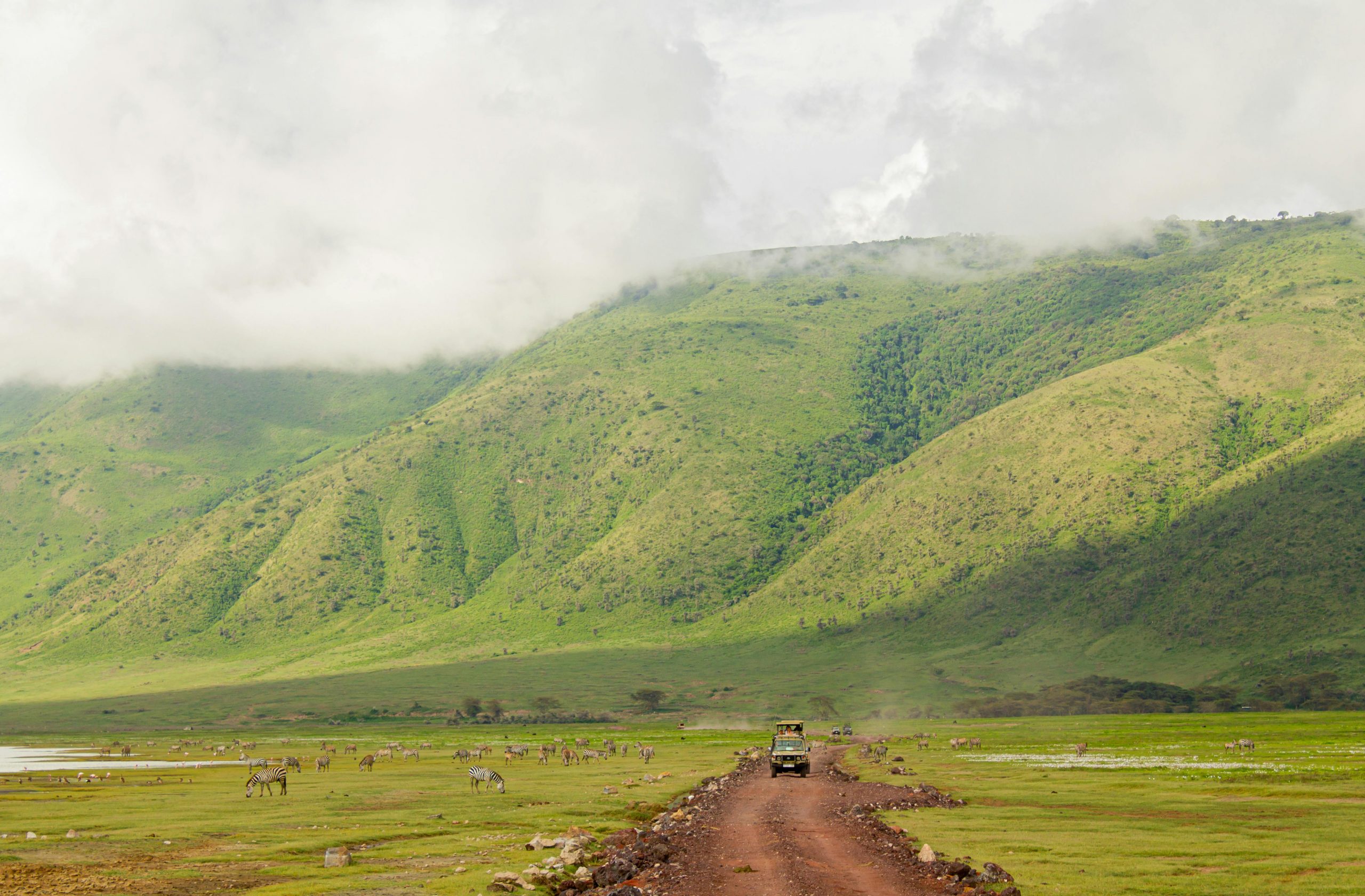
Uganda’s top safari parks — Queen Elizabeth, Murchison Falls, and Kidepo Valley — offer amazing game viewing all year. But dry season means:
- Animals gather near waterholes = easier sightings
- Grass is lower = better photo opportunities
- Fewer mosquitoes = more comfortable safaris
June–August is peak season for seeing:
- Lions (including tree-climbing lions in Ishasha)
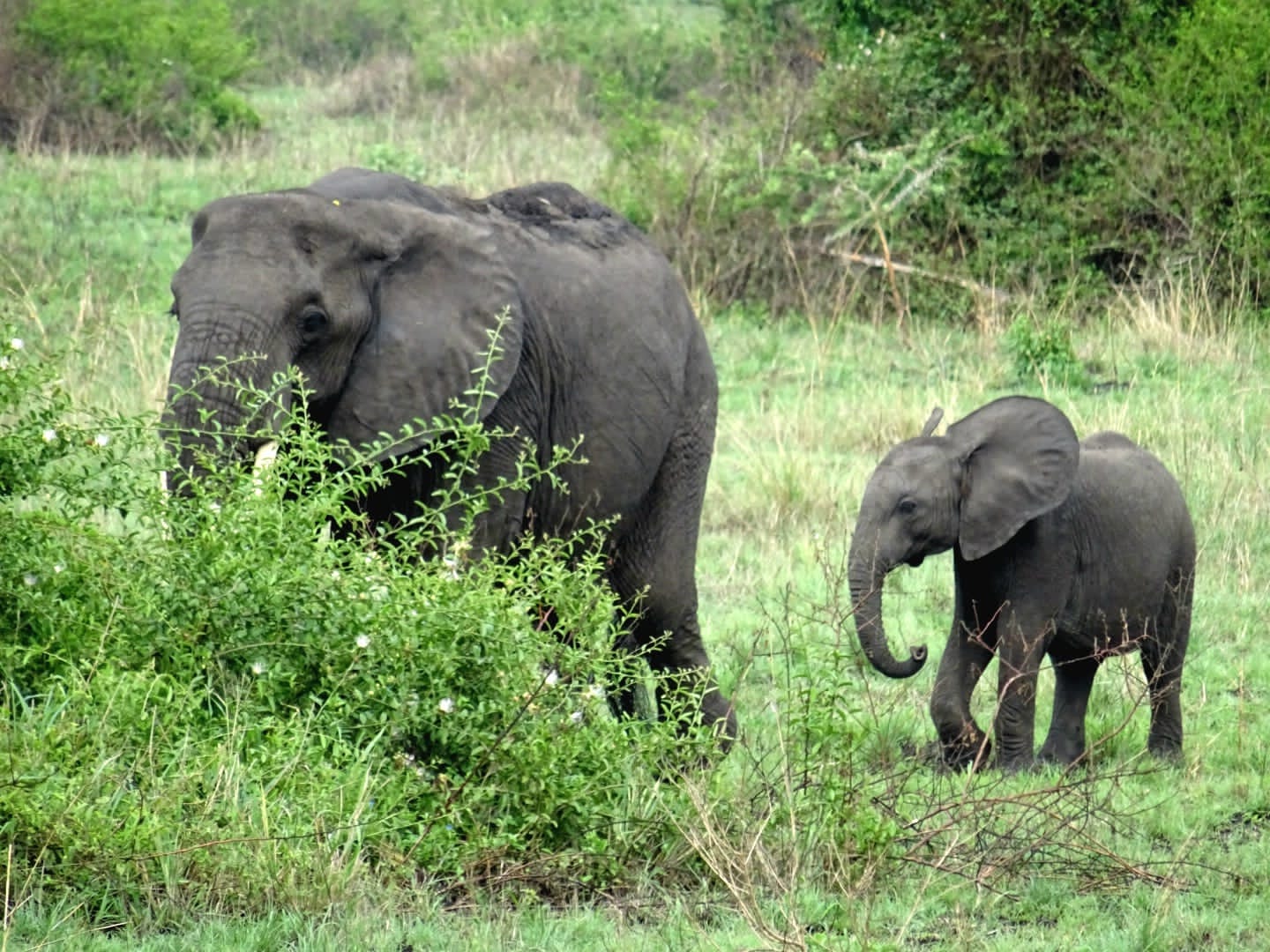
- Elephants, buffalo, antelope, giraffe
- Nile crocodiles and hippos (especially on boat cruises)