
What Is Gorilla Trekking in Uganda?
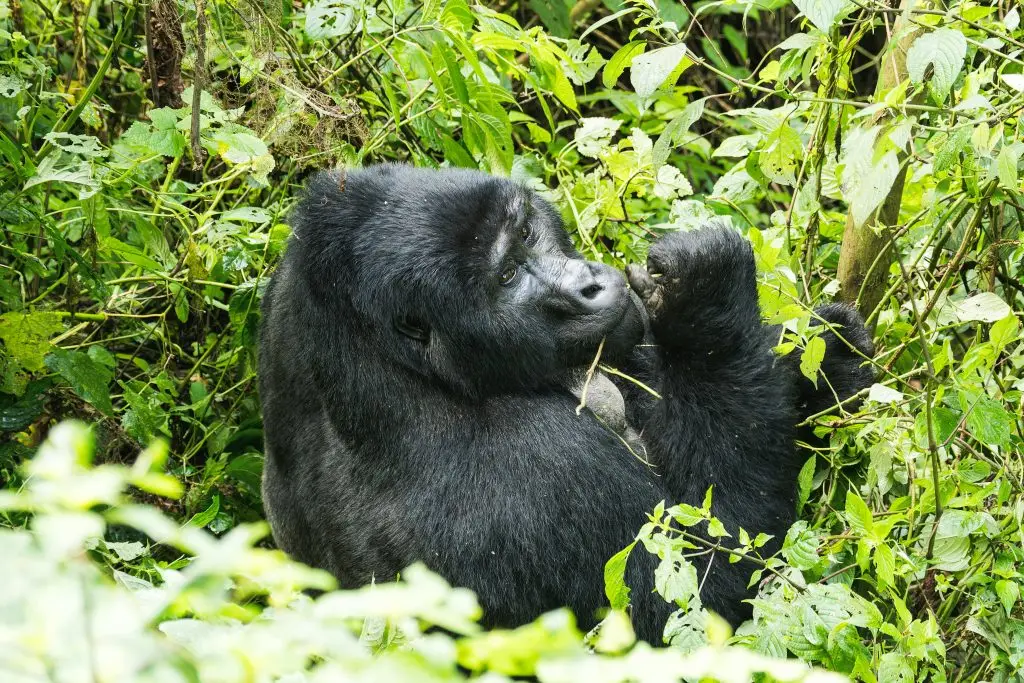
Gorilla trekking is a wildlife adventure where visitors hike into the rainforests of Bwindi Impenetrable National Park and Mgahinga Gorilla National Park to find mountain gorilla families in their natural habitat. It’s one of Africa’s most unforgettable wildlife experiences, up close with endangered mountain gorillas under the guidance of expert rangers and trackers.
Best Time to Go
Dry Seasons – Best for Trekking
- June – September and December – February
Trails are drier, less slippery, and easier to hike. More tourists and permits fill fast.
Wet Seasons – Quiet & Lush
- March – May and October – November
Trail conditions can be muddy and slippery, but there are fewer crowds and abundant green scenery.
Tip: Book permits and lodges 3–6+ months in advance, especially for dry season travel.
Gorilla Trekking Permits & Costs
Permit Costs (2026–27 pricing)
- Foreign non-residents: ~USD 800 per trek
- Foreign residents: ~USD 700
- East African citizens: ~UGX 300,000
These prices are set by Uganda Wildlife Authority and include park entry, ranger and tracker fees.
Habituation Experience (Optional)
- ~USD 1,500 per person
- Allows 4 hours with semi-habituated gorillas (vs 1 hour on standard trek)
Available only in some sectors, this is more immersive.
Other Field Costs
- Porter hire: ~USD 15–25 (very useful)
- Tips for guides/trackers: ~USD 15–30 suggested
- Transport, accommodation, meals vary widely depending on style of safari.
Packing & What to Bring
The right gear makes trekking comfortable and safe. Pack for rugged rainforest conditions:
Must-Have Gear
- Waterproof hiking boots with good grip
- Long-sleeved shirts & trousers (protect against bites/scratches)
- Rain jacket or poncho (rain is frequent year-round)
- Gardening gloves (for grip on vegetation)
- Gaiters or high socks
- Water bottle (hydration is key)
- Snacks/energy bars
- Camera (no flash allowed)
- Daypack for essentials
Health & Documents
- Yellow fever vaccination certificate (mandatory)
- Malaria prophylaxis recommended
- Passport & Uganda visa
- Travel insurance covering trekking activities
Physical Expectations & Fitness
- Treks typically range from 2 to 6 hours — sometimes longer — through uneven, steep, forested terrain.
- Altitude can range from ~1,200 m to over 2,500 m, so moderate fitness is recommended.
- You do not need to be an elite athlete, but having a basic level of cardiovascular fitness will make the experience far more enjoyable.
- Hiring a local porter is highly recommended, especially if you’re not used to steep hikes.
Typical Gorilla Trekking Day
Here’s what a trekking day generally looks like:
- Early Morning Arrival
– Most trekkers arrive at the park headquarters early (around 07:00–07:30) for registration and safety briefings. - Briefing
– Rangers explain rules — especially keeping distance and silence. - Finding the Gorillas
– Community trackers go ahead to locate the gorilla family using radio communication.
– You follow through dense, slippery trails. - One Hour With Gorillas
– Each group spends one hour observing the gorillas from a safe distance. - Return & Certificate
– After the encounter, you hike back to the trailhead and often receive a certificate of completion.
Gorilla Trekking Rules & Etiquette
Respect these rules — they’re in place for your safety and gorilla health:
✅ Stay at least 7 m (21 ft) away from gorillas
✅ Don’t touch gorillas or feed them
✅ No flash photography
✅ Keep noise low and movements slow
❌ If you are sick on trekking day, you can’t go, this protects gorillas from disease transmission
Where to Stay
Uganda has a range of accommodation near trekking sectors:
Budget & Mid-Range
- Guesthouses and lodges around Buhoma, Rushaga, Nkuringo, and Ruhija
- Often include meals and transport options
Mid-Luxury / Luxury
- Eco-lodges with forest views and full services
- Some offer spa, cultural tours, and wildlife packages
Tip: Choose lodging close to your trekking sector to minimize early-morning transfers.
Transportation & Logistics
- Most tourists fly into Kampala (capital) via Entebbe International Airport.
- From Kampala, you can take domestic flights to Kisoro or Kihihi (closest airfields) or a private 4×4 drive.
- Roads can be bumpy; travel times are often longer than expected.
🐾 Other Activities to Combine
While in southwest Uganda, you might also enjoy:
✔ Golden monkey tracking (Mgahinga)
✔ Wildlife safaris (elephants, lions, hippos)
✔ Birdwatching & cultural tours
✔ Batwa community visits
Final Tips & Advice
✔ Book well in advance — permits are limited and sell out early.
✔ Bring extra cash for porters, tips, and park drinks/food.
✔ Respect guides and keep group etiquette — the experience is both magical and fragile.
✔ Consider a tour operator for logistics if you’re unfamiliar with travel in Uganda
No question is too small, if you have any queries contact us on the form below, or talk to us directly on whatsapp.