

Why is the Queen Elizabeth National Park so Popular?

Uganda, often called the “Pearl of Africa”, is renowned for its incredible biodiversity, lush landscapes, and unparalleled wildlife experiences. Among its national parks, Queen Elizabeth National Park stands out as the most visited safari destination, attracting thousands of travelers each year who seek to experience Africa’s wild heart up close.
A Land of Extraordinary Wildlife
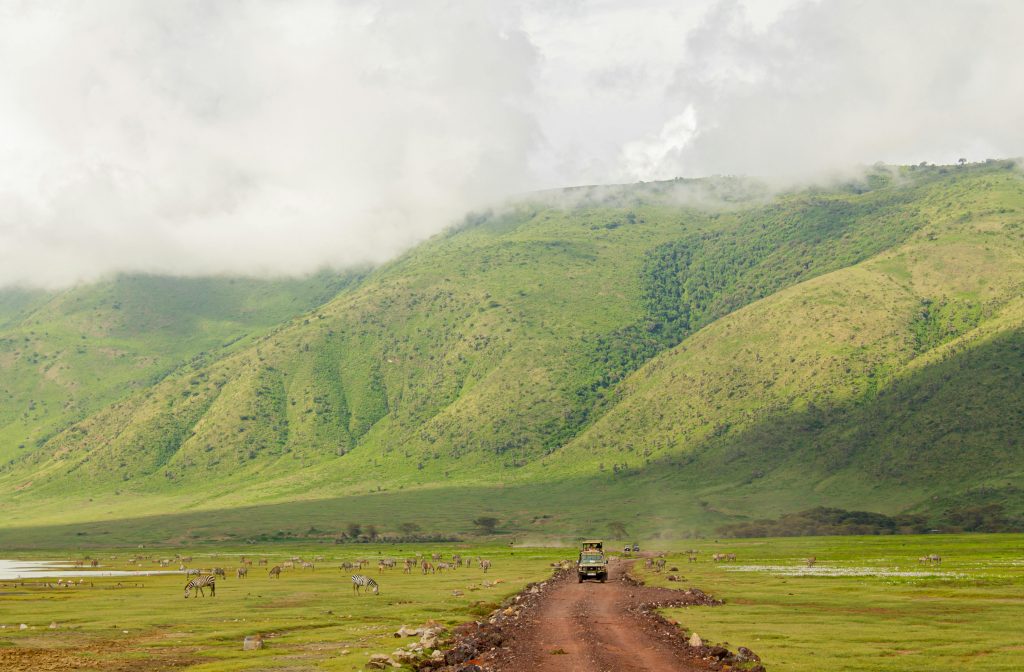
Queen Elizabeth National Park spans over 1,978 square kilometers, making it one of Uganda’s largest and most diverse wildlife sanctuaries. The park is home to a staggering variety of species, from the iconic African elephant and lion to elusive leopards and hippopotamuses. Bird enthusiasts are equally enthralled, with more than 600 bird species, including the famous shoebill stork, grey crowned crane, and lilac-breasted roller.
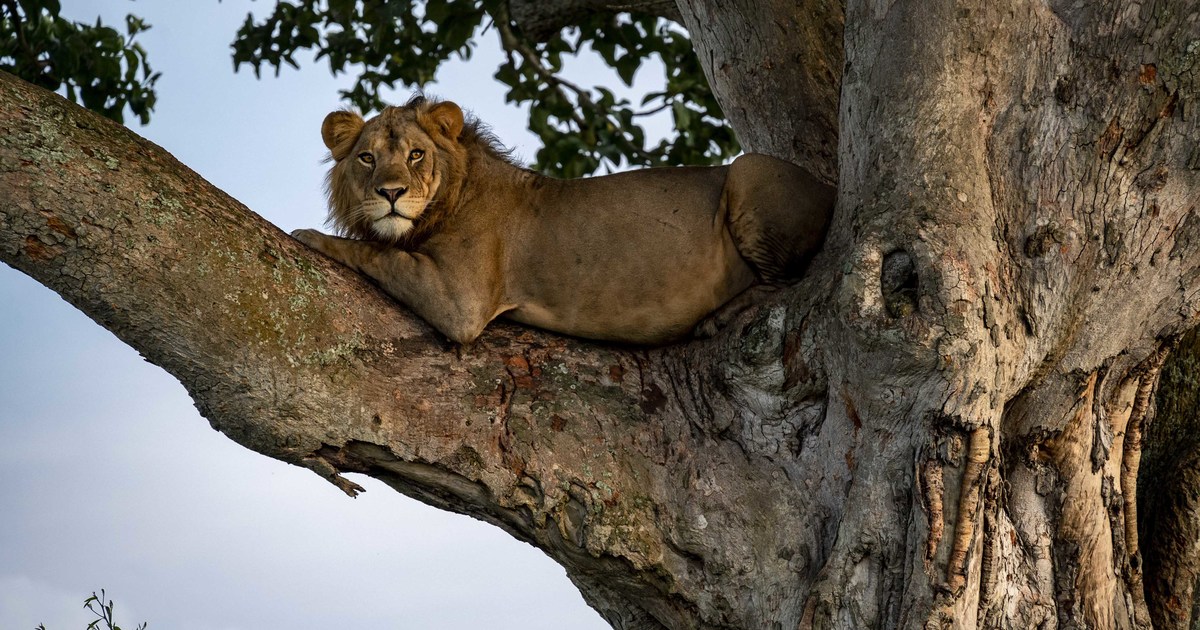
The park’s diverse ecosystems — savannah plains, crater lakes, wetlands, and forests — create ideal habitats for a wide range of animals. Visitors can witness dramatic wildlife scenes: elephants walking gracefully across open plains, lions lounging under acacia trees, and hippos wallowing in the Kazinga Channel. For many travelers, seeing a tree-climbing lion in the Ishasha sector is a bucket-list moment, as it is one of the few places in the world where lions regularly climb trees.
The Kazinga Channel: A Unique Safari Experience
One of Queen Elizabeth National Park’s most famous features is the Kazinga Channel, a 32-kilometer natural waterway connecting Lake Edward and Lake George. This channel offers a world-class safari experience from the water, providing close encounters with wildlife that gather along its banks.
During boat cruises, visitors can see elephants bathing and drinking, hippos surfacing in large pods, and crocodiles sunbathing along the shore. The channel is also a birdwatcher’s paradise, with thousands of birds including African fish eagles, pelicans, and storks. Early morning and late afternoon cruises offer the best lighting for photography and the highest chance of seeing active wildlife.
Tree-Climbing Lions and Other Unique Wildlife
The Ishasha sector of the park is particularly famous for its tree-climbing lions, an unusual behavior not commonly observed elsewhere in Africa. These lions often rest in fig and acacia trees during the heat of the day, offering an extraordinary sight for safari-goers.
Apart from lions and elephants, the park is home to leopards, hyenas, buffaloes, warthogs, and a variety of primates including chimpanzees and baboons. This rich biodiversity makes Queen Elizabeth National Park an all-in-one safari destination, perfect for both first-time visitors and experienced wildlife enthusiasts.
Accessibility and Accommodation
Queen Elizabeth National Park’s popularity is also due to its accessibility. Located just a five to six-hour drive from Kampala and close to Entebbe International Airport, the park is easily reachable by both road and small aircraft.
The park offers a range of accommodation options, from luxury lodges and tented camps to budget-friendly hotels, making it suitable for all types of travelers. Many lodges are strategically positioned near wildlife hotspots, allowing guests to enjoy game drives, boat cruises, and birdwatching without extensive travel within the park.
Best Time to Visit
While Queen Elizabeth National Park is a year-round destination, the dry seasons from June to September and December to February are considered the best times to visit. During these months, vegetation is sparse, and animals gather around water sources like the Kazinga Channel, making them easier to spot.
The wet seasons from March to May and October to November offer lush green landscapes and fewer tourists. Although wildlife may be more dispersed during the rains, the scenery becomes dramatically beautiful, with vibrant forests, full lakes, and spectacular sunsets. Photographers and nature lovers often find the wet season magical despite slightly lower chances of spotting dense wildlife herds.
Conservation and Responsible Tourism
Queen Elizabeth National Park is managed by the Uganda Wildlife Authority, which works tirelessly to protect wildlife and promote sustainable tourism. Responsible tourism practices, such as staying on designated trails, maintaining safe distances from animals, and supporting local communities, ensure that visitors can enjoy wildlife experiences while contributing to conservation efforts.
By visiting the park, travelers support anti-poaching initiatives, wildlife research, and community development programs, creating a positive impact that extends far beyond the safari experience itself.
A Transformative Experience
A safari in Queen Elizabeth National Park is more than just sightseeing; it is a life-changing encounter with nature. Standing on the Kasenyi Plains as elephants march past at sunrise, witnessing hippos in the Kazinga Channel, or spotting a lion perched in a tree, leaves a lasting impression that is difficult to forget.
The park offers a perfect combination of adventure, relaxation, and connection with the wild. Whether you are a first-time visitor or a seasoned safari enthusiast, Queen Elizabeth National Park guarantees unforgettable memories, spectacular photography opportunities, and a deep appreciation for Uganda’s incredible natural heritage.
Conclusion
From its diverse wildlife and rare tree climbing lions to the picturesque Kazinga Channel and abundant birdlife, Queen Elizabeth National Park is undeniably Uganda’s most visited safari destination. Its accessibility, accommodation options, and well-managed ecosystems make it an ideal choice for travelers seeking both adventure and comfort.
For anyone looking to experience the magic of African wildlife, there is no better place to start than Queen Elizabeth National Park – a land where giants roam, rivers teem with life, and every moment in the wild feels unforgettable.