

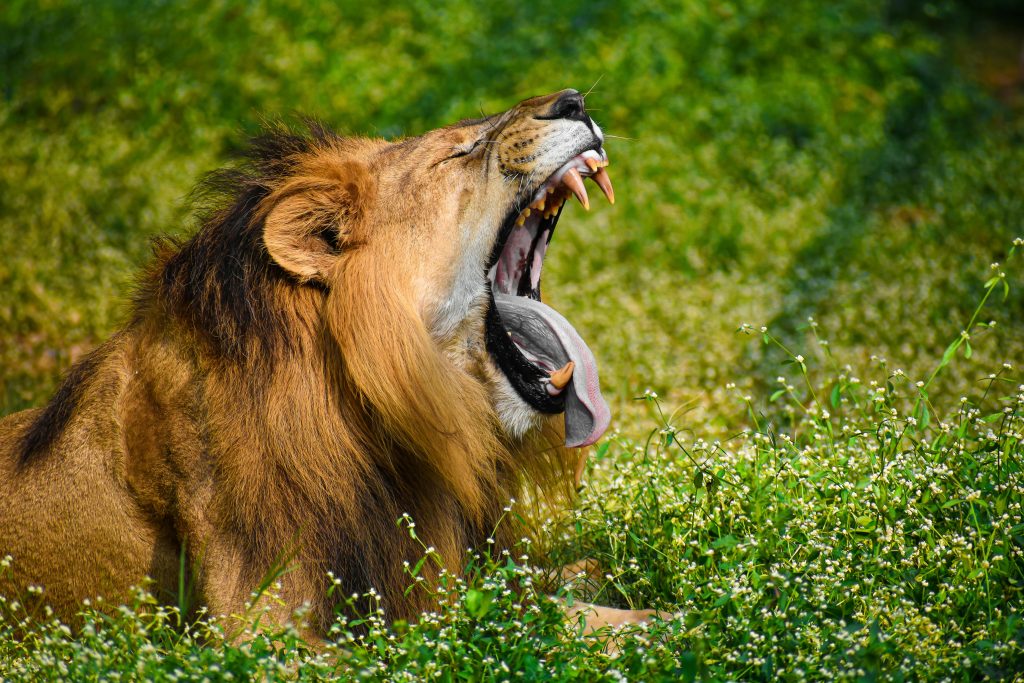
Uganda, often celebrated as the “Pearl of Africa,” is renowned for its mountain gorillas and lush landscapes, but the country harbors another extraordinary wildlife treasure that draws safari enthusiasts from around the world its magnificent lions. From the iconic tree-climbing lions of Queen Elizabeth National Park to the growing populations in Kidepo Valley National Park, Uganda offers a lion safari experience that is both unique and unforgettable.
Where to Find Lions in Uganda
Uganda is home to two primary lion populations, each offering a distinct safari experience. The most famous are found in the Ishasha sector of Queen Elizabeth National Park, located in the southwestern part of the country along the border with the Democratic Republic of Congo. The second significant population resides in Kidepo Valley National Park, a remote and stunningly beautiful reserve tucked into Uganda’s northeastern corner near the borders of South Sudan and Kenya. Together, these parks provide visitors with remarkable opportunities to observe lions in diverse and breathtaking habitats.
Queen Elizabeth National Park is one of Uganda’s most visited protected areas, spanning nearly 2,000 square kilometers of savanna, wetlands, crater lakes, and dense forest. While the northern Kasenyi Plains of the park are known for their own lion sightings, it is the southern Ishasha sector that has earned international fame. Kidepo Valley, on the other hand, remains one of Africa’s most unspoiled wilderness areas, often described as Uganda’s best-kept secret. Its rugged valleys and sweeping plains create a dramatic backdrop for lion encounters that feel refreshingly exclusive and intimate.
The Famous Tree-Climbing Lions of Ishasha
Uganda’s tree-climbing lions are arguably the country’s most iconic wildlife attraction after the mountain gorillas. Found primarily in the Ishasha sector of Queen Elizabeth National Park, these lions have developed the unusual habit of climbing and resting in large fig trees, draping themselves lazily across the branches high above the ground. This behavior is relatively rare among lions globally, with only a few populations in Africa — notably in Uganda and Tanzania’s Lake Manyara National Park — known to exhibit it regularly.
Scientists and wildlife experts have debated the reasons behind this fascinating behavior for decades. Some theories suggest that the lions climb trees to escape the heat of the savanna floor, seeking the cooler breezes found at higher elevations. Others propose that the trees offer a vantage point from which the lions can survey their territory and spot prey more easily. Still others believe the behavior helps the lions avoid biting insects and tsetse flies that are prevalent at ground level. Whatever the reason, witnessing a pride of lions sprawled across the branches of a massive fig tree is a sight that leaves an indelible impression on every visitor.
A safari drive through the Ishasha sector typically takes visitors along the winding trails that pass through open grasslands dotted with these large fig and sycamore trees. Experienced guides know the favored trees and can often locate the lions with remarkable precision. The best time to spot the tree-climbing lions is during the dry seasons, from June to September and December to February, when the lions are more visible and the roads are more accessible.
Lions of Kidepo Valley National Park
For those willing to venture off the beaten path, Kidepo Valley National Park offers an equally rewarding lion experience. The park’s lion population has been steadily growing thanks to dedicated conservation efforts, and sightings have become increasingly common. Unlike the tree-climbing lions of Ishasha, the lions of Kidepo are more typically found lounging on rocky outcrops or prowling through the golden grasses of the Narus Valley, where they hunt buffalo, Uganda kob, and other ungulates.
Kidepo’s remote location means fewer tourists, which translates to a more private and immersive safari experience. The dramatic landscape of semi-arid valleys framed by rugged mountains makes every lion sighting here feel like a scene from a nature documentary.
Conservation and the Future of Uganda’s Lions
Uganda’s lion populations have faced significant challenges over the years, including habitat loss, human-wildlife conflict, and poaching. It is estimated that Uganda is home to around 400 to 500 lions, a number that conservationists are working hard to protect and grow. Organizations such as the Uganda Wildlife Authority and various international conservation groups have implemented programs to reduce conflict between local communities and lions, promote sustainable tourism, and strengthen anti-poaching efforts.
Safari tourism plays a vital role in these conservation efforts. Revenue generated from park entrance fees, guided tours, and accommodations directly supports the protection of lion habitats and the livelihoods of surrounding communities. By choosing to visit Uganda’s national parks, safari-goers contribute meaningfully to the preservation of these magnificent predators.
Why Choose Uganda for a Lion Safari?
Uganda offers something that few other African destinations can match — the chance to combine a lion safari with gorilla trekking, chimpanzee tracking, and birdwatching, all within a single trip. The country’s compact size, diverse ecosystems, and warm hospitality make it an ideal destination for travelers seeking a rich and varied wildlife experience. Whether you find yourself gazing up at a tree-climbing lion in Ishasha or watching a pride stalk through the wild plains of Kidepo, Uganda’s lions promise a safari adventure that will stay with you for a lifetime.