

Best Foods to Try in Uganda: A Culinary Journey Through the Pearl of Africa
Uganda’s culinary landscape is as rich and diverse as its wildlife and natural beauty. For tourists visiting this enchanting East African nation, exploring the local cuisine offers an authentic window into Ugandan culture, traditions, and daily life. From hearty staples to exotic street foods, Uganda’s food scene promises a delicious adventure that complements any safari or cultural tour. Here’s a guide to the must-try foods that will make your Ugandan journey even more memorable.
Matoke (Steamed Green Bananas)
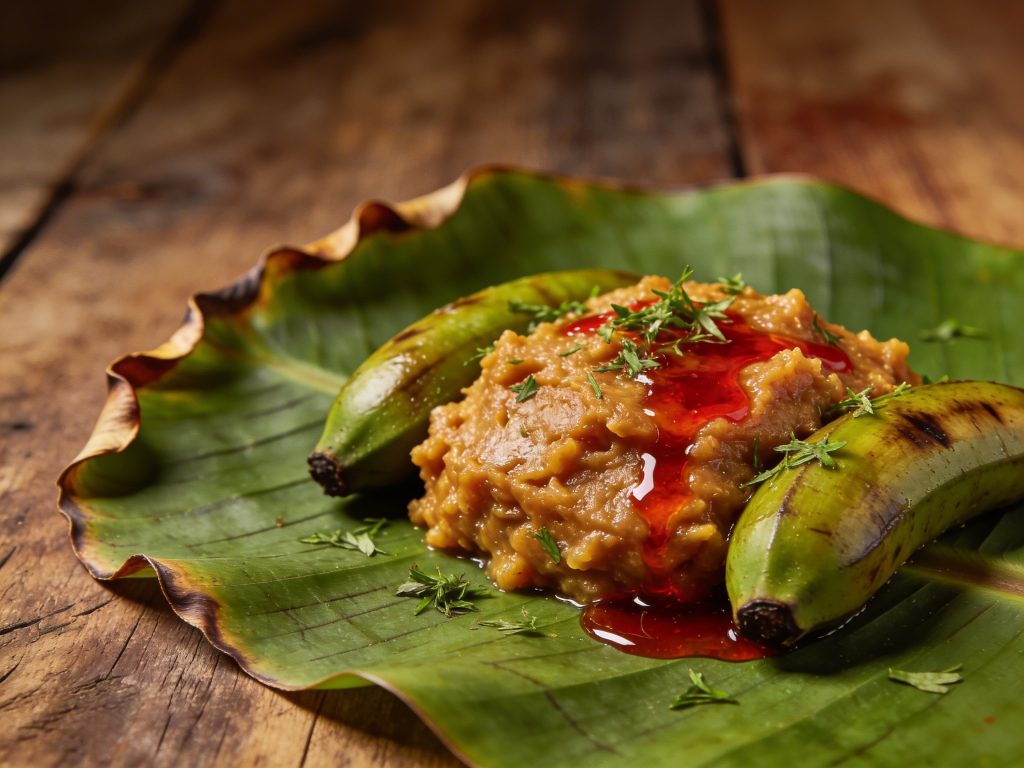
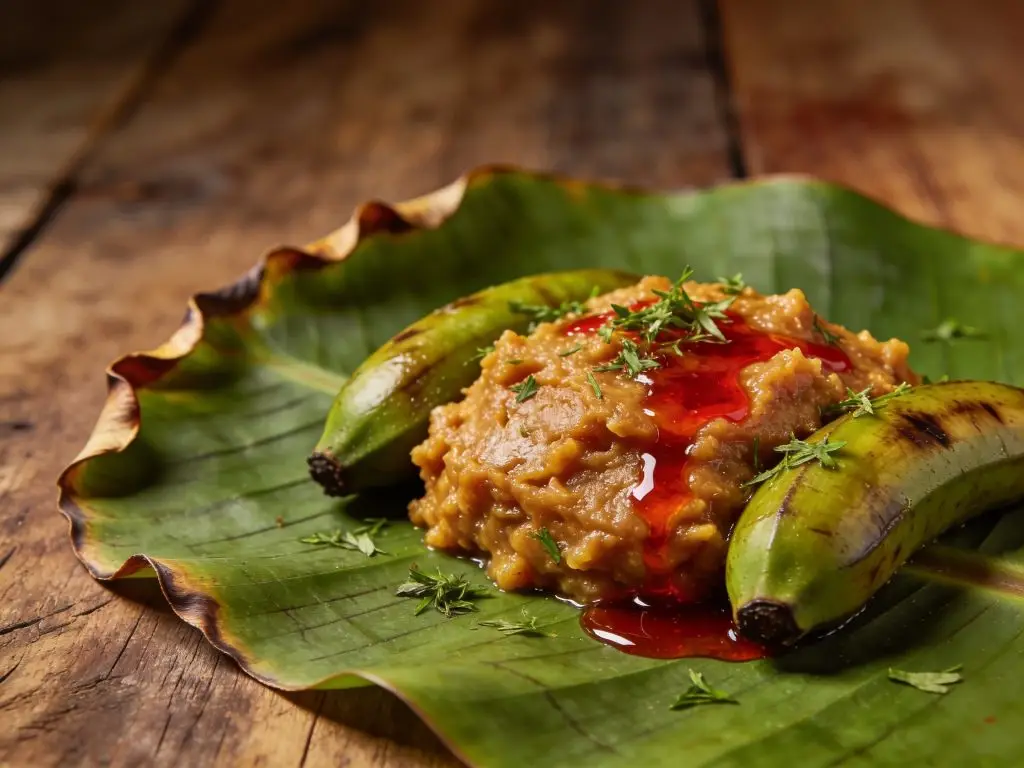
No discussion of Ugandan cuisine is complete without mentioning matoke, the country’s unofficial national dish. Matoke consists of green cooking bananas that are peeled, wrapped in banana leaves, and steamed until soft. The result is a starchy, slightly sweet dish with a texture similar to mashed potatoes. Matoke is typically served as an accompaniment to meat stews, groundnut sauce, or beans, and it forms the foundation of many Ugandan meals.
The preparation of matoke is considered an art form, and different regions have their own variations. In central Uganda, particularly among the Baganda people, matoke holds cultural significance and is often served at important ceremonies and gatherings. For tourists, trying matoke offers not just a taste of Uganda but also insight into the agricultural heritage of a country where bananas are among the most important crops.
Posho and Groundnut Sauce
Posho, also known as ugali in other East African countries, is a thick porridge made from maize flour and water. This simple yet filling staple is a cornerstone of Ugandan cuisine and is eaten across all social classes. Posho has a firm, dough-like consistency and is typically molded into balls or slices that are used to scoop up accompanying sauces and stews.
One of the most beloved pairings is posho with groundnut sauce (peanut sauce), a rich, creamy accompaniment made from ground peanuts, tomatoes, onions, and spices. This combination is both affordable and satisfying, making it a popular choice in local restaurants, or “hotels” as they’re known in Uganda. Tourists will find that despite its simplicity, this dish is deeply flavorful and provides genuine insight into everyday Ugandan eating habits.
Luwombo
For a taste of traditional Buganda kingdom cuisine, luwombo is an absolute must-try. This royal dish consists of chicken, beef, fish, or mushrooms steamed with vegetables in banana leaves. The ingredients are seasoned with a mixture of spices, wrapped tightly in the leaves, and slowly steamed over a pot of boiling water or plantain stems.
The banana leaves impart a subtle, earthy flavor to the meat and vegetables, creating a uniquely aromatic dish that was historically reserved for special occasions and important guests. Today, luwombo can be found in upscale restaurants and cultural centers, particularly in Kampala and around Lake Victoria. The presentation alone—with the steaming banana leaf package opened at your table—makes this a memorable dining experience.
Rolex
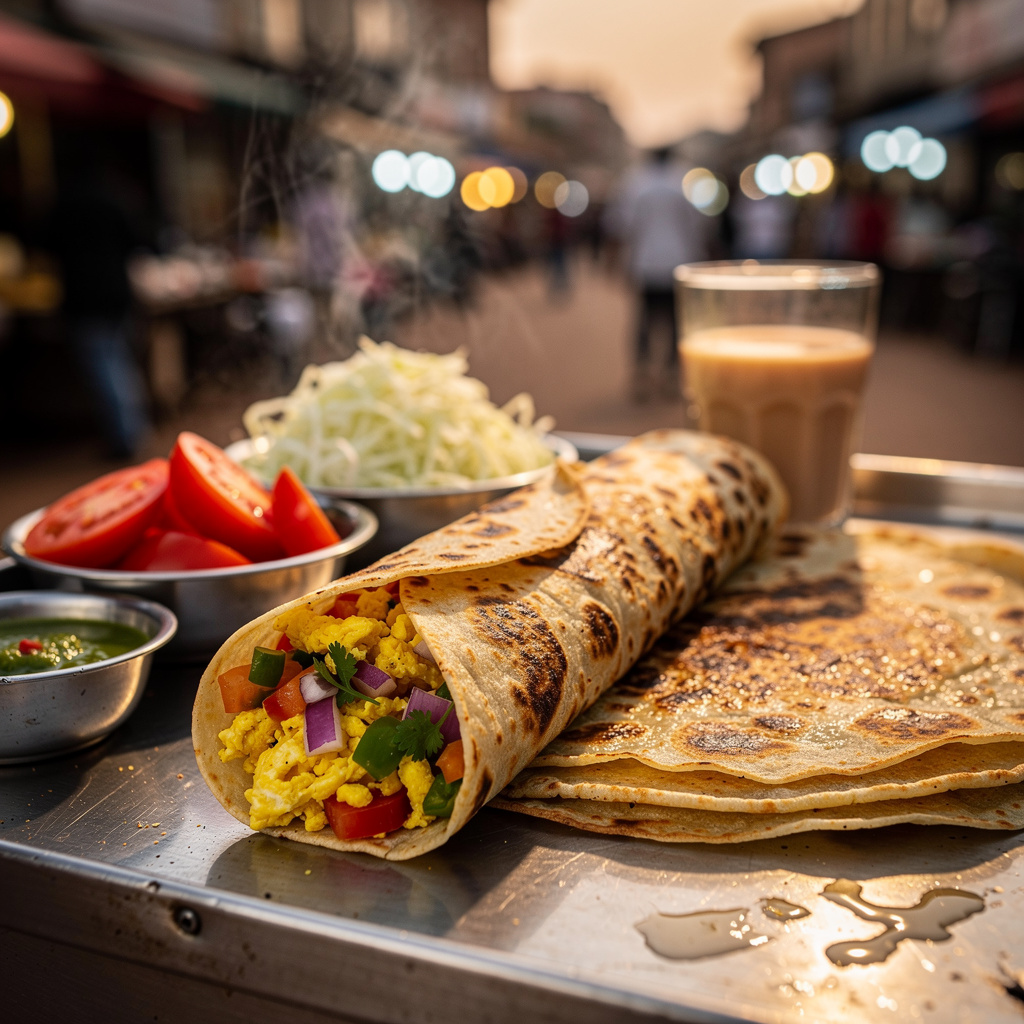
Despite its name, the Rolex has nothing to do with luxury watches. This popular Ugandan street food is a rolled chapati (flatbread) filled with eggs and vegetables, creating a portable and delicious snack that has become a national favorite. The name “Rolex” is derived from “rolled eggs,” and vendors across Uganda prepare this simple but satisfying food fresh throughout the day.
A basic Rolex contains scrambled eggs rolled in a chapati, but vendors often offer additions like tomatoes, onions, cabbage, and sometimes ground beef or sausage. It’s affordable, filling, and perfect for breakfast or a quick lunch. For tourists, grabbing a Rolex from a street vendor offers an authentic taste of Ugandan street food culture and a chance to interact with locals in a casual setting.
Muchomo (Grilled Meat)
Muchomo refers to grilled meat on skewers, similar to what might be called kebabs or barbecue in other parts of the world. Common varieties include goat, beef, chicken, and pork, all seasoned with local spices and grilled over open flames. Muchomo is especially popular in the evening, with roadside vendors setting up grills that attract locals and tourists alike.
The meat is typically served with fresh tomatoes, onions, and sometimes a spicy pepper sauce. Pairing muchomo with a cold local beer like Nile Special or Bell Lager creates the perfect evening experience. For adventurous eaters, goat muchomo is particularly recommended—it’s tender, flavorful, and deeply embedded in Ugandan food culture.
Nsenene (Grasshoppers)
For the truly adventurous foodie, nsenene—fried grasshoppers—represents one of Uganda’s most unique culinary experiences. These seasonal delicacies appear during the rainy seasons (around November and April) and are considered a protein-rich treat. Grasshoppers are caught using bright lights and then fried with onions and sometimes a bit of salt.
While the idea might seem unusual to Western tourists, nsenene are surprisingly tasty—crunchy, slightly nutty, and genuinely enjoyable. They’re often sold by vendors along roadsides and are eaten as snacks, similar to peanuts or chips. Trying nsenene shows cultural openness and provides a memorable story to share back home.
Samosas and Mandazi
Reflecting Uganda’s historical ties with Indian and Arab traders, samosas have become a beloved snack throughout the country. These triangular pastries are filled with spiced vegetables or minced meat and deep-fried until golden and crispy. They’re perfect for a quick snack during safari breaks or city explorations.
Mandazi, slightly sweet fried dough similar to doughnuts, are popular for breakfast or as a snack with chai (tea). Both samosas and mandazi are widely available and offer delicious respites during busy touring days.
Conclusion
Uganda’s culinary offerings provide tourists with flavors and experiences that go far beyond the typical safari adventure. From the comforting familiarity of matoke to the exotic crunch of nsenene, each dish tells a story of Uganda’s culture, history, and people. Embrace these culinary adventures, and you’ll discover that Uganda truly is the Pearl of Africa in every sense, including gastronomically.